
ACANTHACEAE
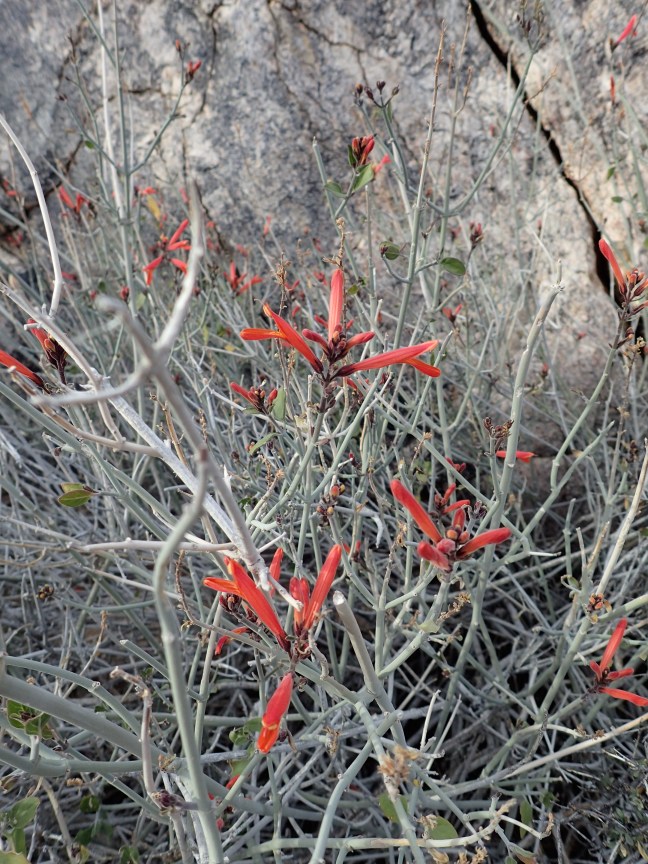
Justicia californica, of the southwest North American deserts:
ANACARDIACEAE
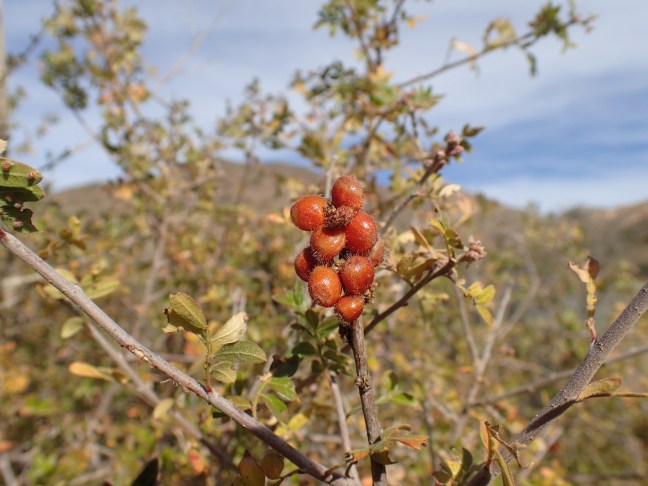
Rhus microphylla from southwestern Texas:
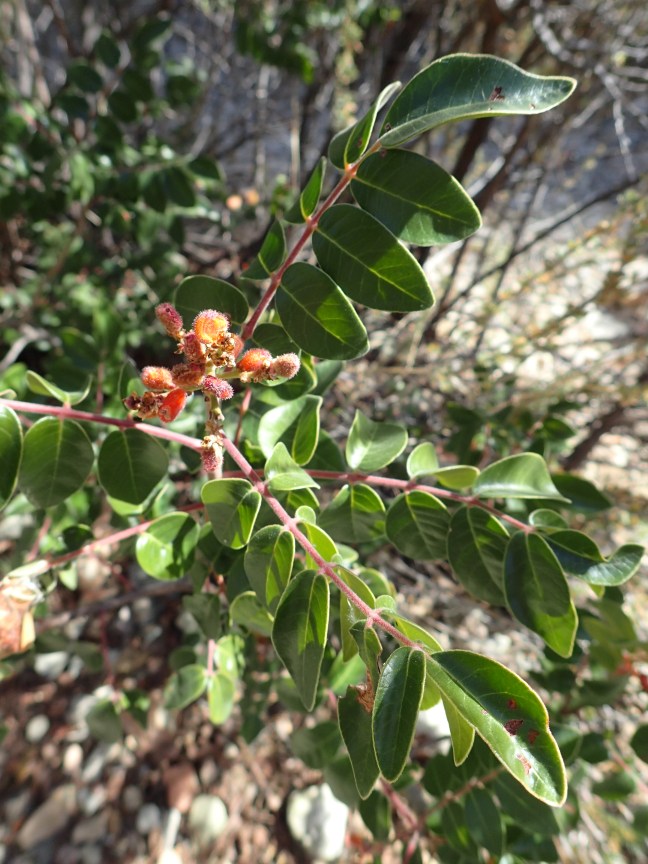
Rhus virens, a charismatic sumac from the aridlands of Texas:
APOCYNACEAE
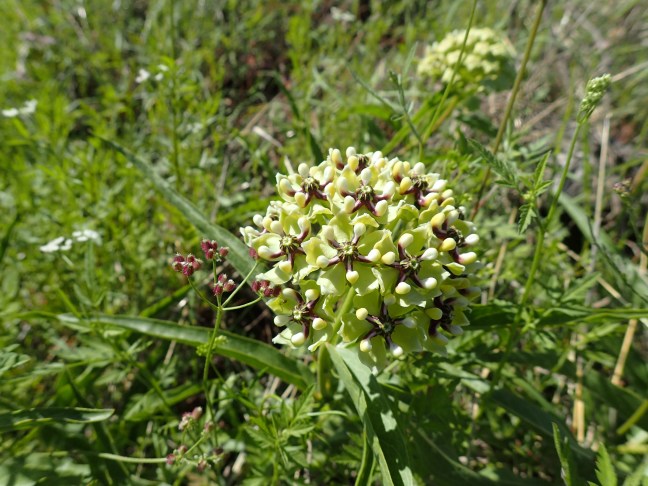
Asclepias asperula, widespread but seen here in central Texas:
ASPARAGACEAE (incl. AGAVOIDS)
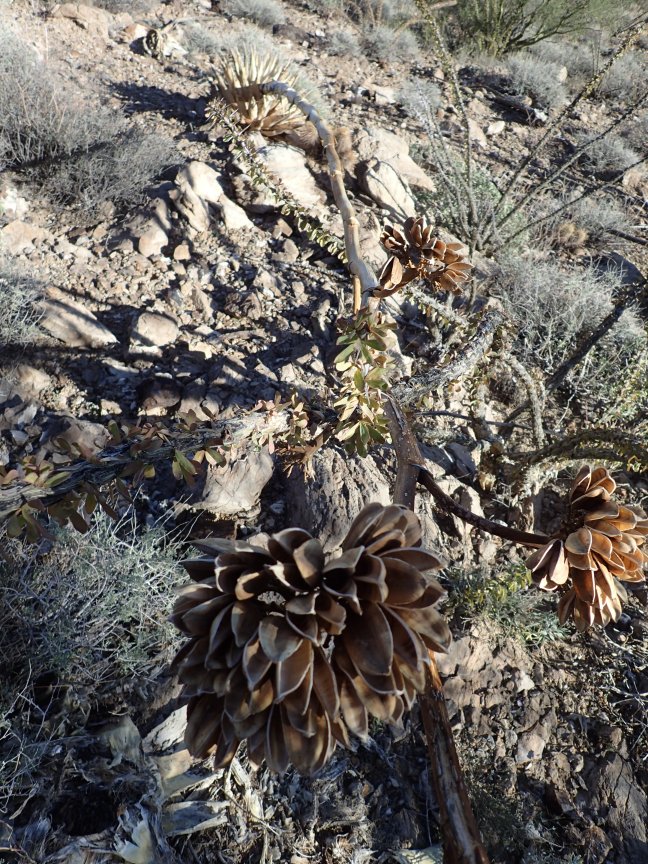
Agave cf. chrysantha of the low Sonoran desert:
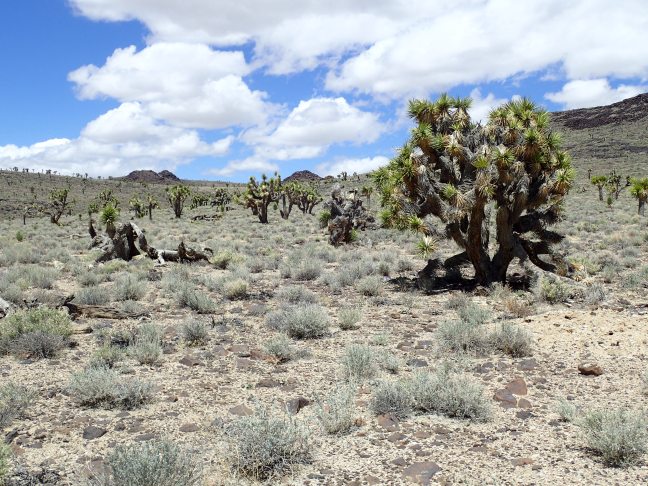
Yucca brevifolia, the “joshua tree” of the southwestern United States, sometimes big, sometimes not:
ASTERACEAE
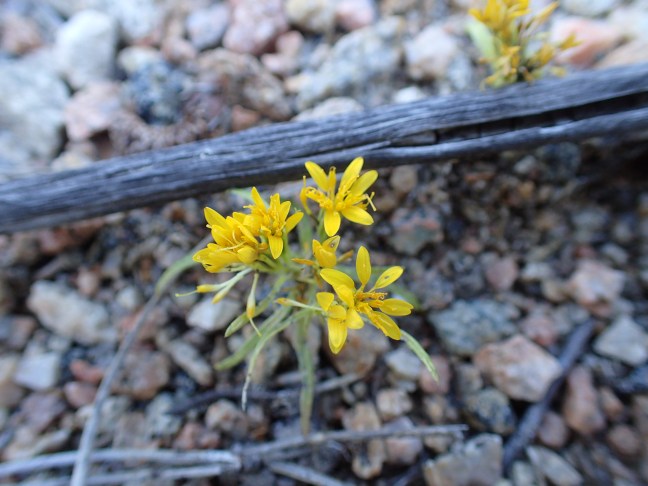
Pectis angustifolia, a lemon-scented annual daisy of southwest North American deserts:
BERBERIDACEAE
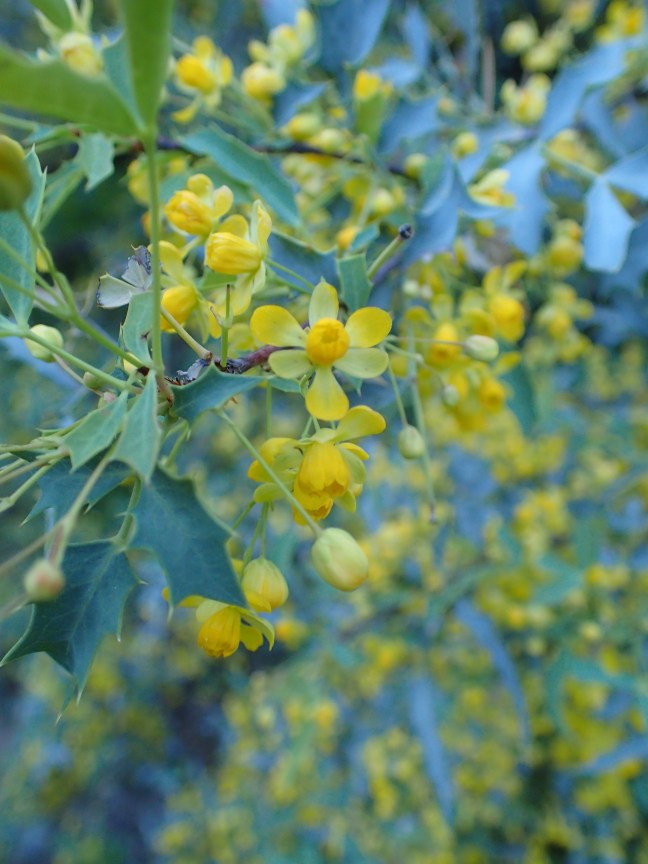
Berberis haematocarpa, of the southwestern North American deserts:
BROMELIACEAE, the bromeliad family.
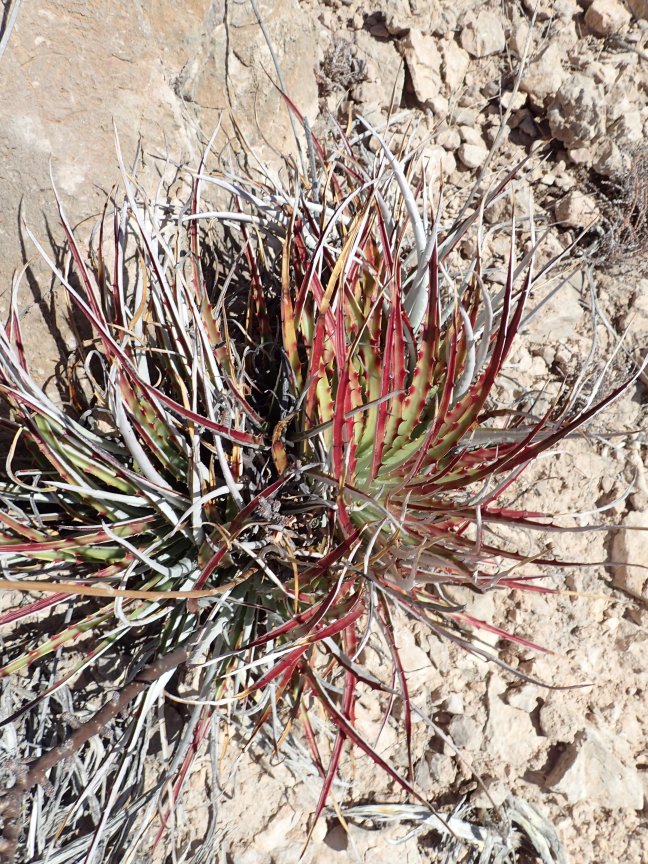
Hechtia cf. texensis, member to a prickly New World aridland bromeliad genus often confused for Agave and other unrelated genera:
CACTACEAE
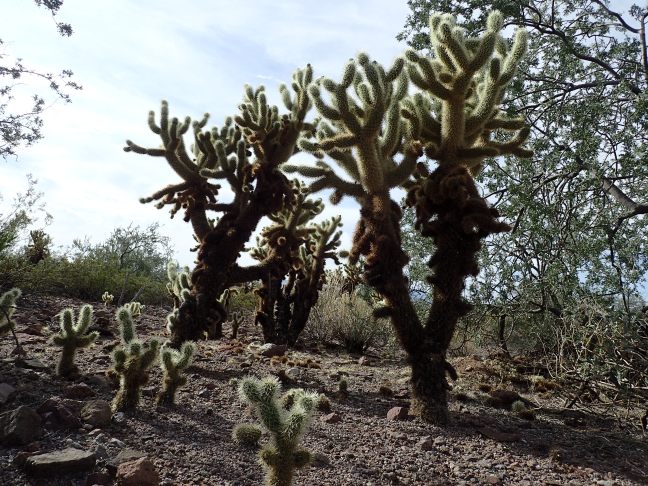
Cylindropuntia bigelovii, a largely clonal cactus of North American desert bottomlands:
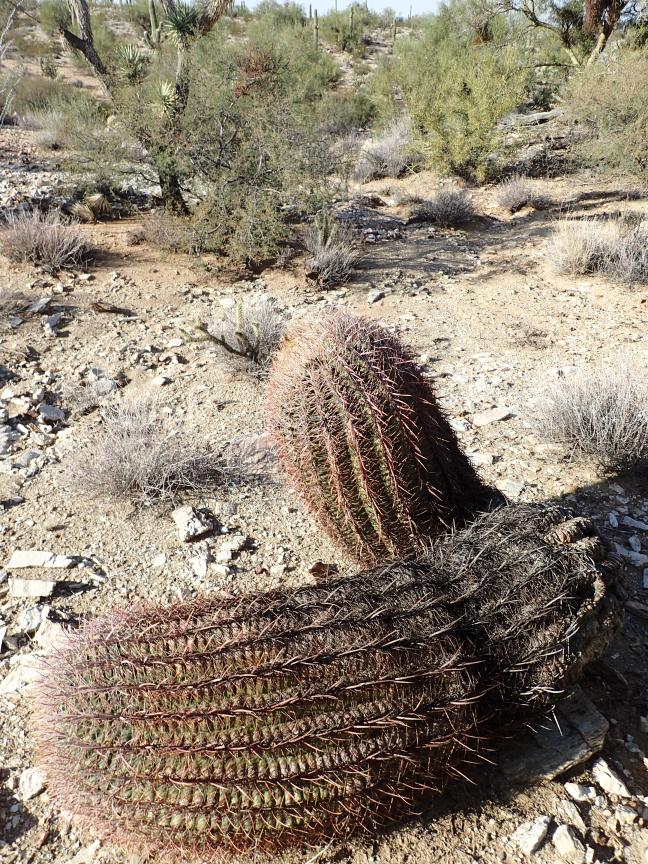
Ferocactus cylindraceus, a charismatic barrel cactus of the southwest North American deserts:
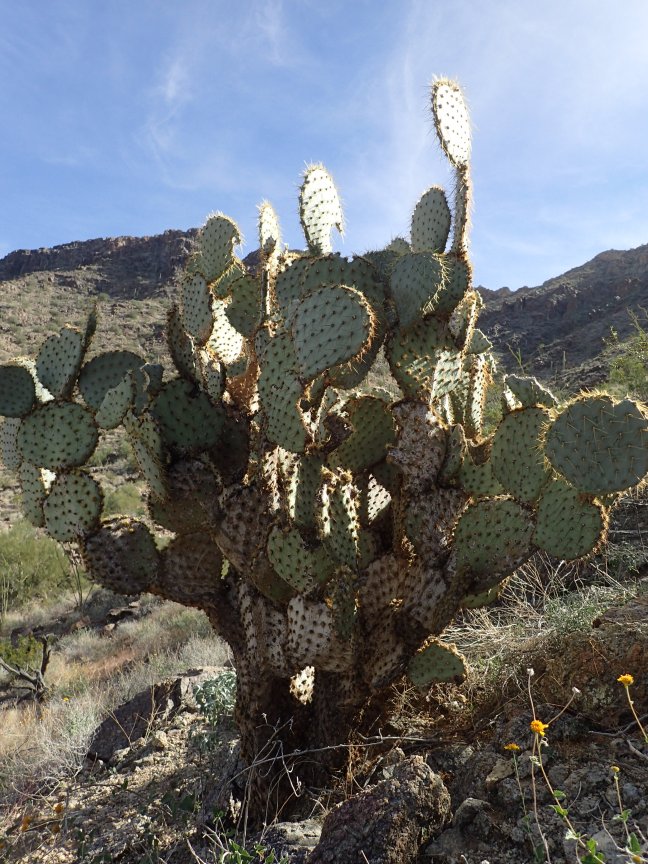
Opuntia sp., attaining spectacular stature in the Sonoran desert:
CUCURBITACEAE
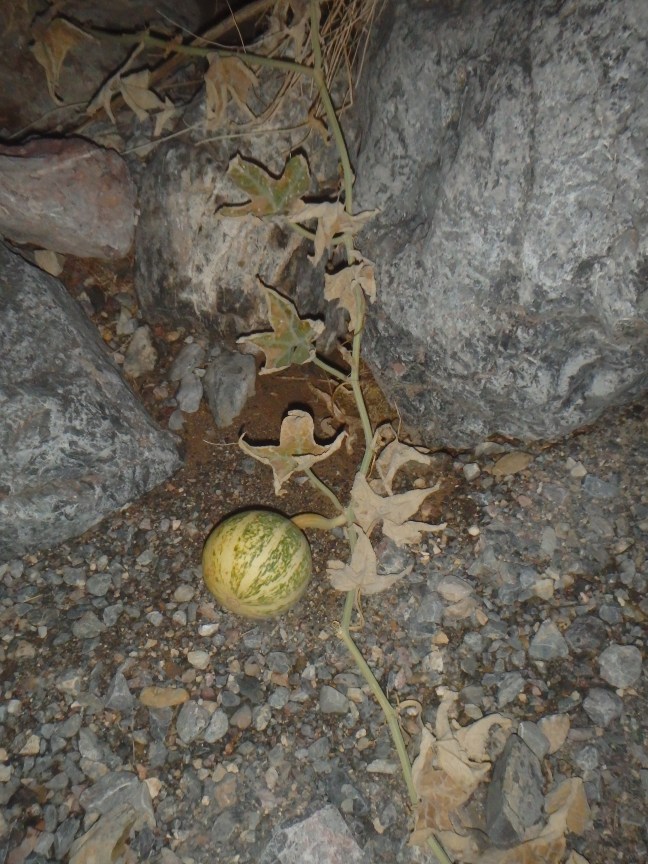
Cucurbita palmata, a wild melon of the lowland Mojave desert; somehow, it is able to sequester a sizeable quantity of water in some of the driest places of North America:
FABACEAE
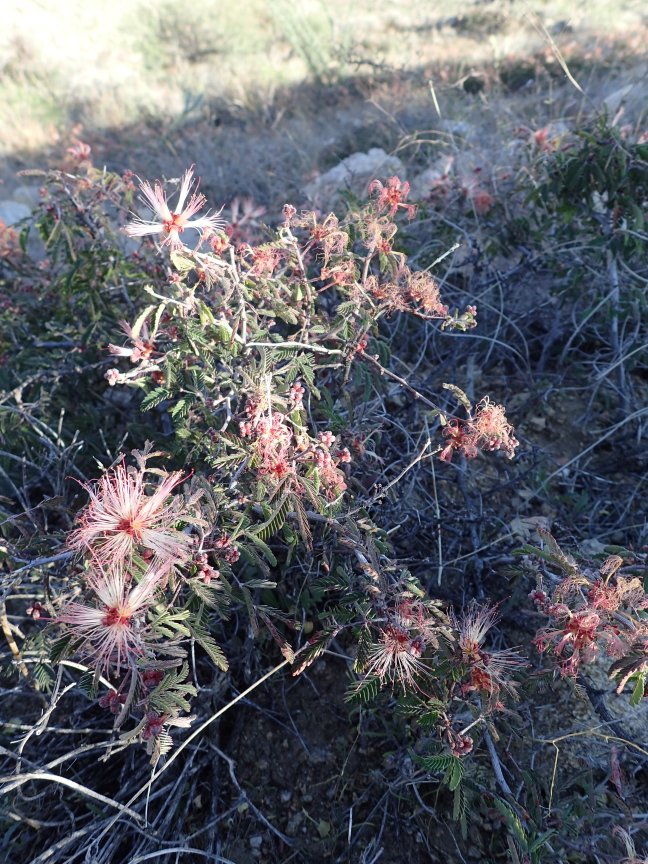
Calliandra eriophylla of the Sonoran Desert:
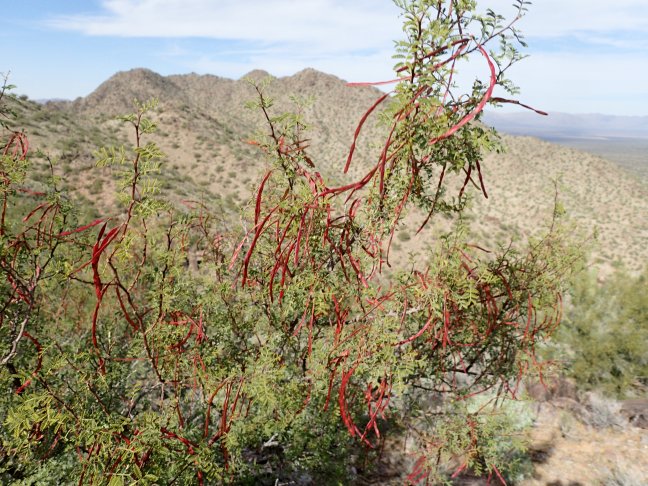
Vachellia constricta, an acacia of the desert southwestern United States:
POLYGONACEAE
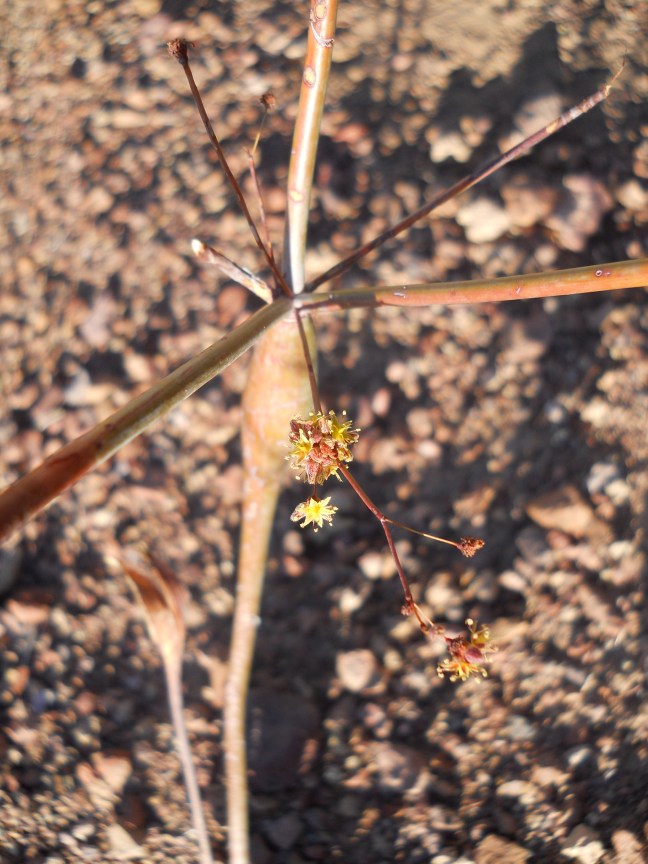
Eriogonum inflatum of the greater Mohave, with its conspicuously inflated upper scape:
ROSACEAE
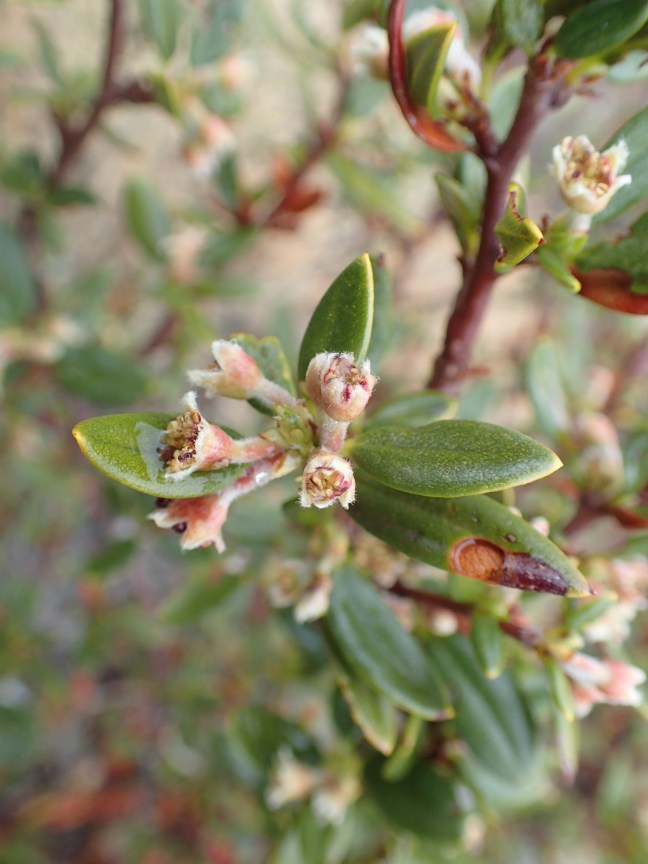
Cercocarpus ledifolius (Rosaceae), proliferating across the southern Inyo Mountains and beyond:
SANTALACEAE
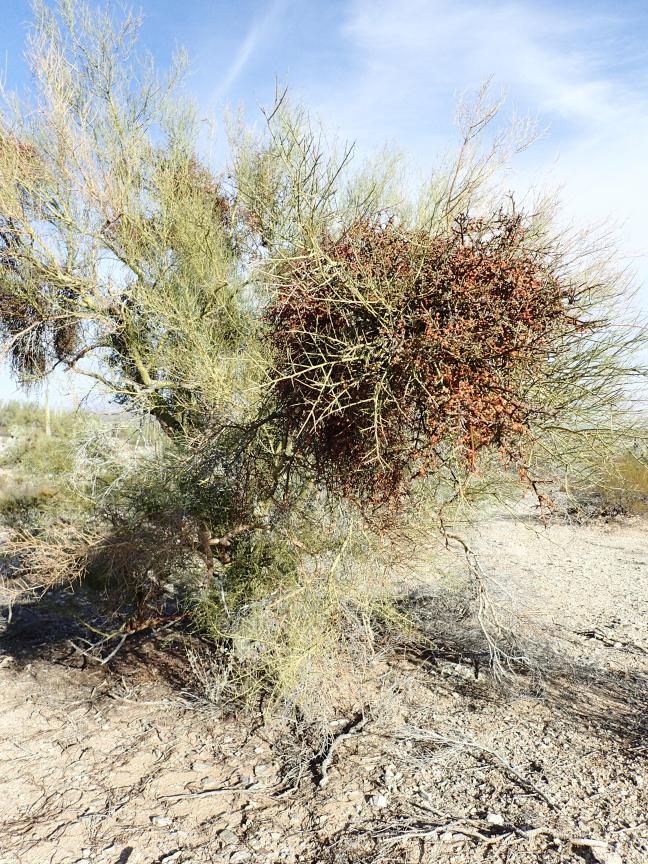
Phoradendron californicum, a hemiparasitic “mistletoe” inhabiting a Parkinsonia in the Sonoran desert:
SAPINDACEAE
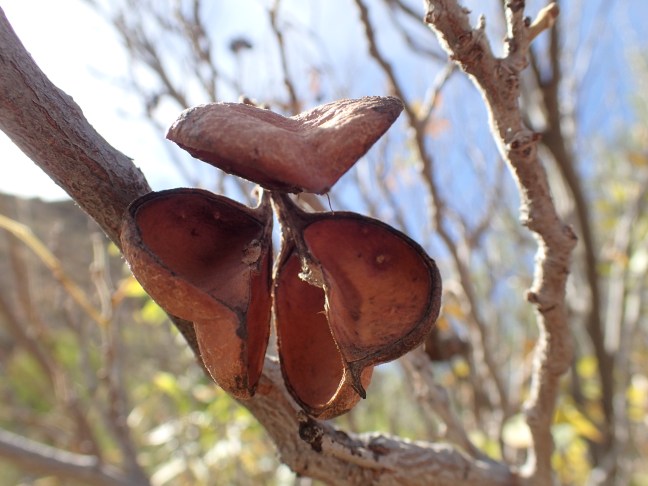
Ungnadia speciosa, a maple relative of Chihuahuan Desert washes with loculicidal capsules:
 BOTANICAL & OTHER EXPLORATIONS