
AMARANTHACEAE, the amaranth and quinoa family.
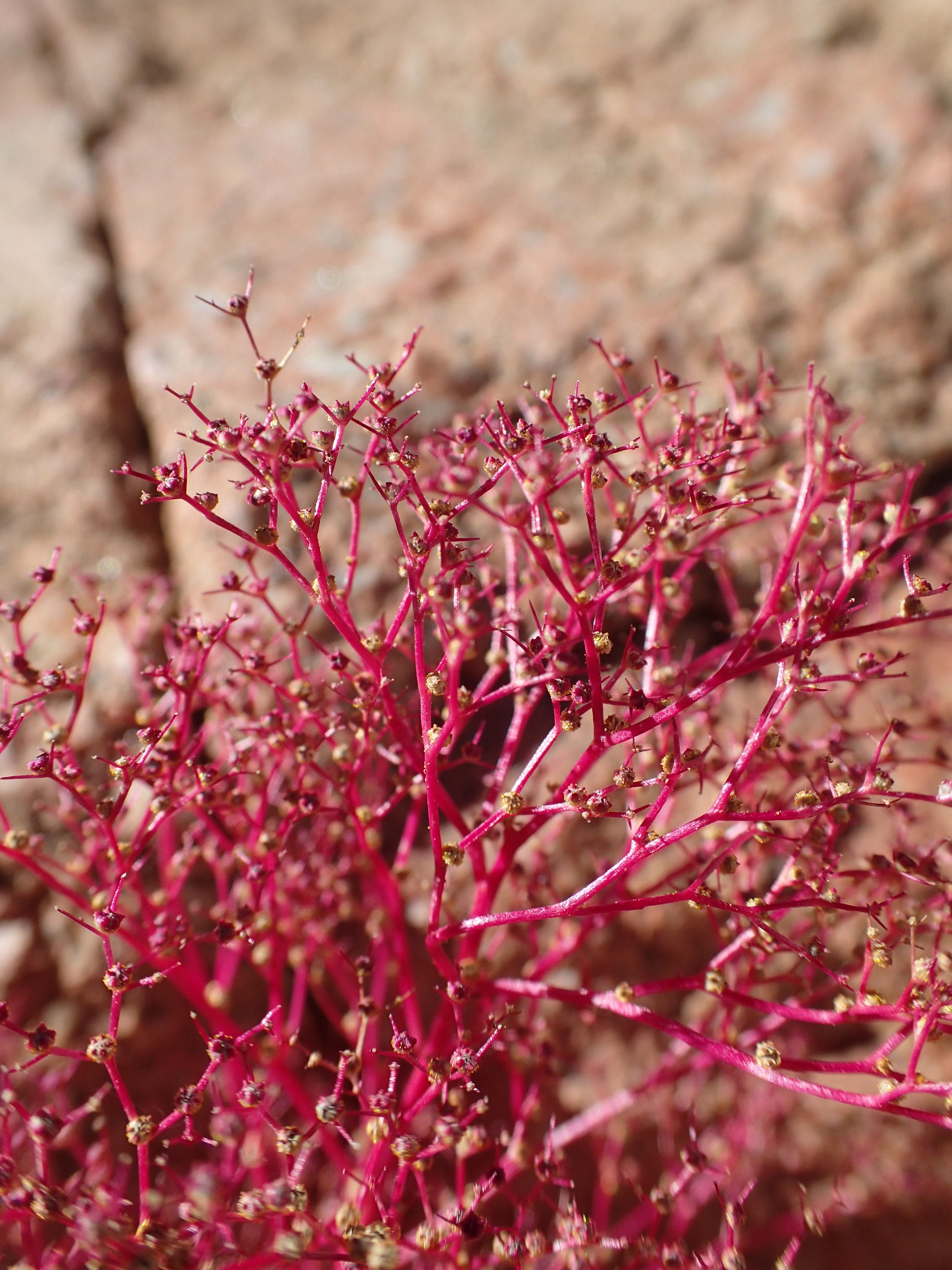
Dysphania graveolens, quite rich in betalains:
ASTERACEAE, the sunflower family.
Anaphalis margaritacea, common in subalpine openings:
Cirsium scopulorum, of the southern Rocky Mountains:

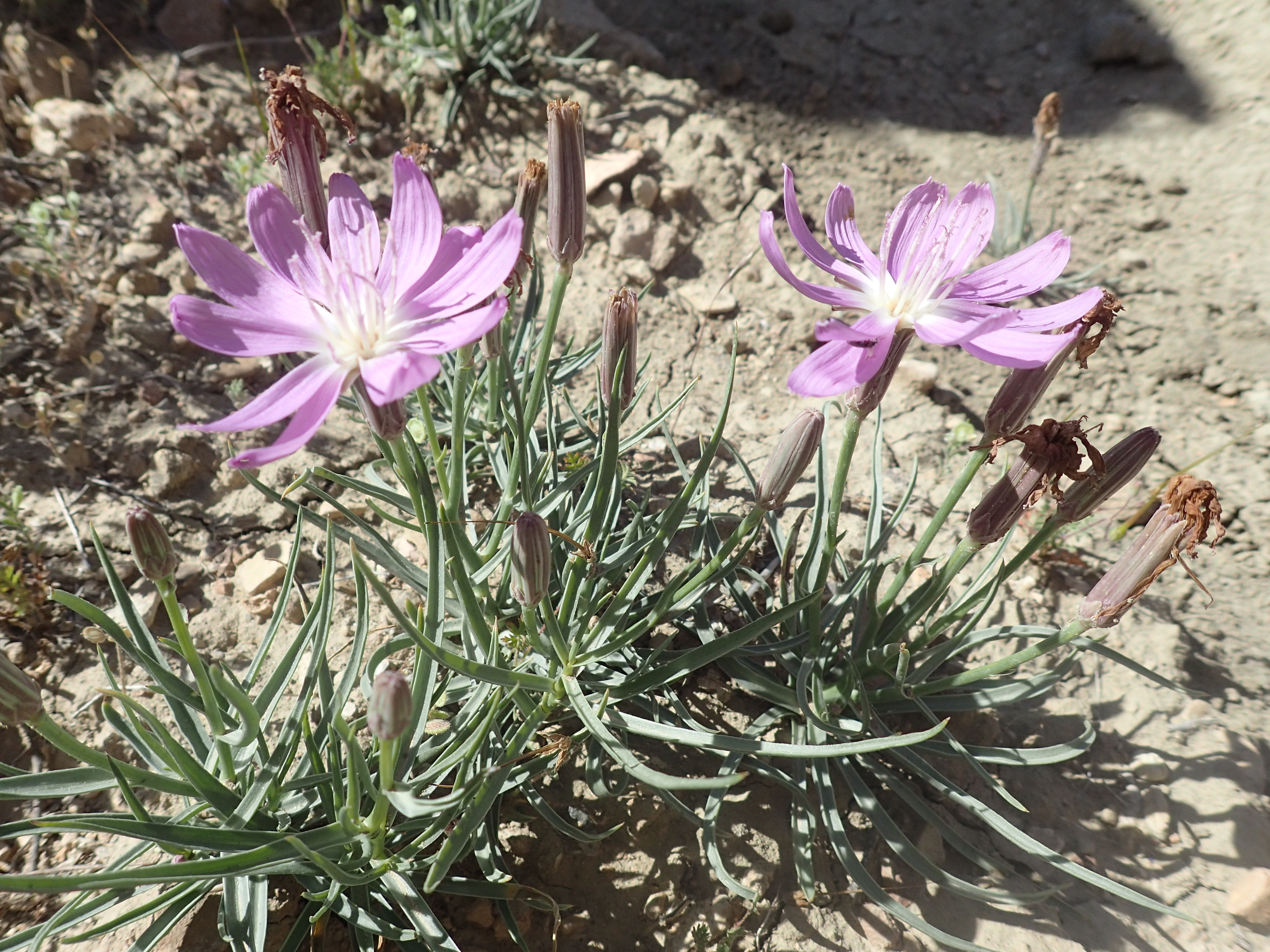
Lygodesmia grandiflora, a gorgeous cichorioid of the greater Four Corners:
BRASSICACEAE, the mustard family.
Stanleya pinnata (Brassiaceae), of drylands of the western U.S.A.:

CACTACEAE, the cactus family.
Pediocactus simpsonii, of dry slopes and openings of the greater Rocky Mountains of U.S.A.:

CRASSULACEAE
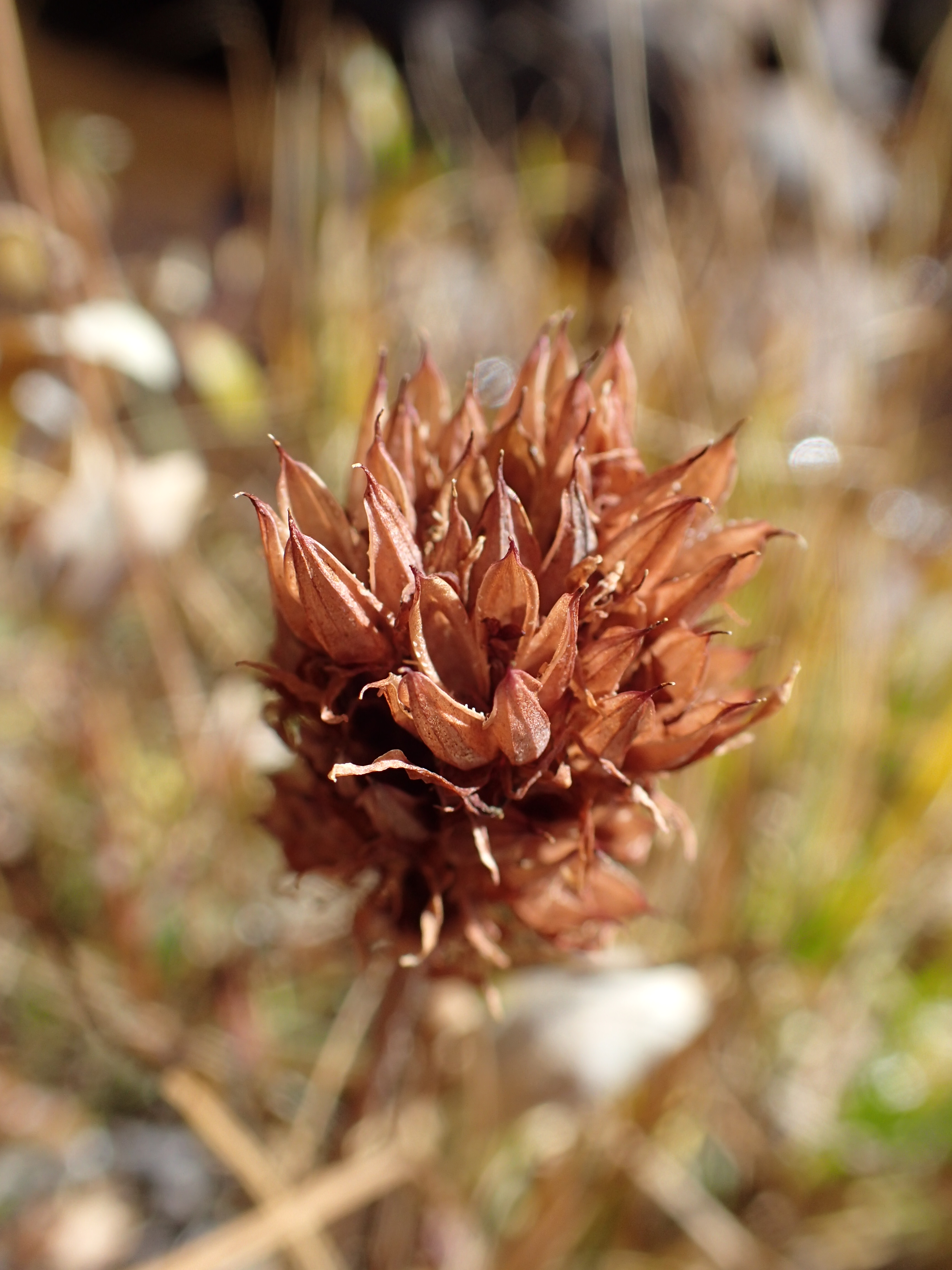
Rhodiola rhodantha, the 5 separate carpels developed into follicles:
HYDRANGEACEAE, the hydrangea family.
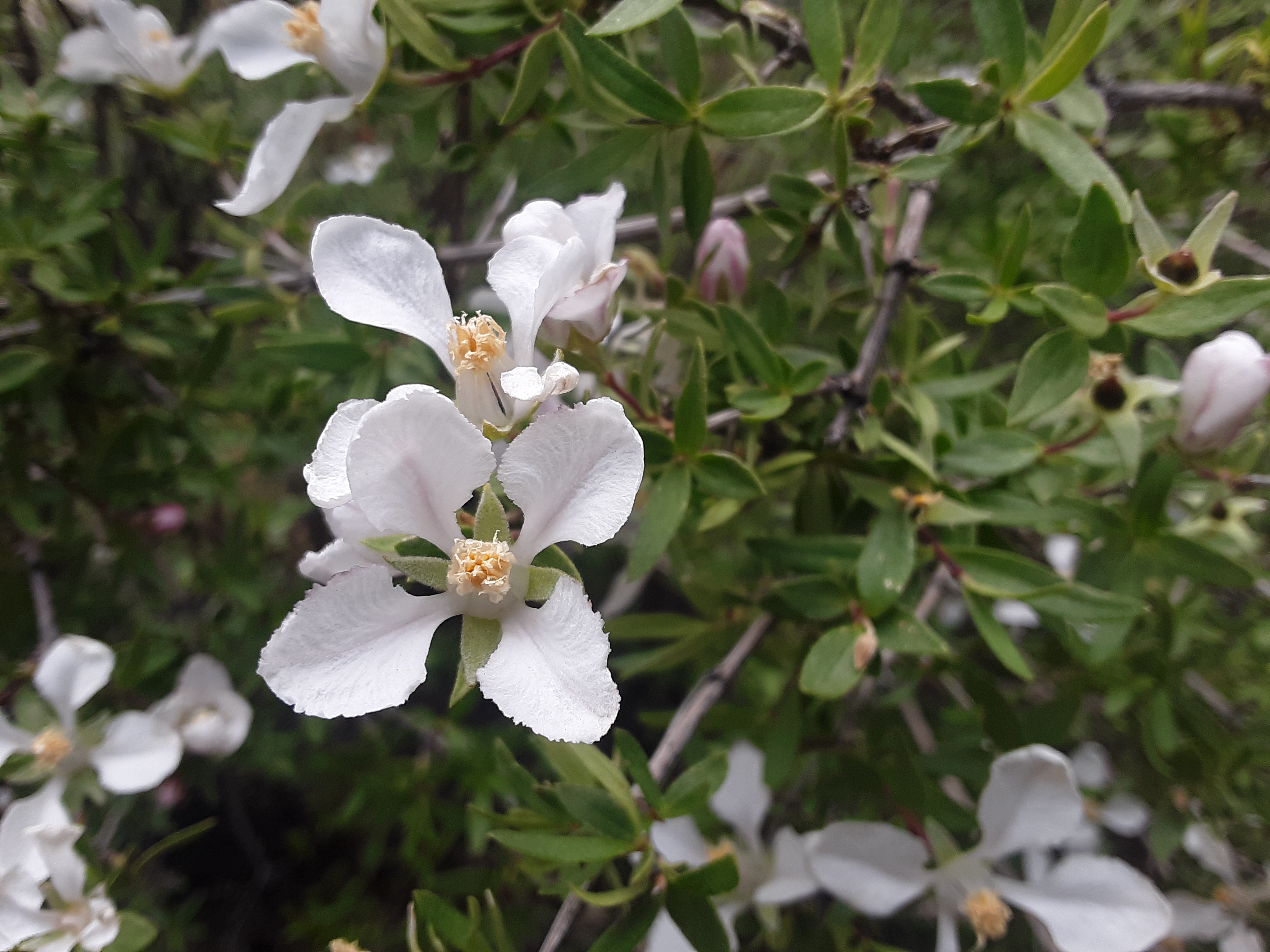
Fendlera rupicola, an attractive shrub of pinyon-junipers lands and canyons:
ONAGRACEAE, the evening primose family.
Oenothera harringtonii, narrowly endemic to southeastern Colorado:

OROBANCHACEAE
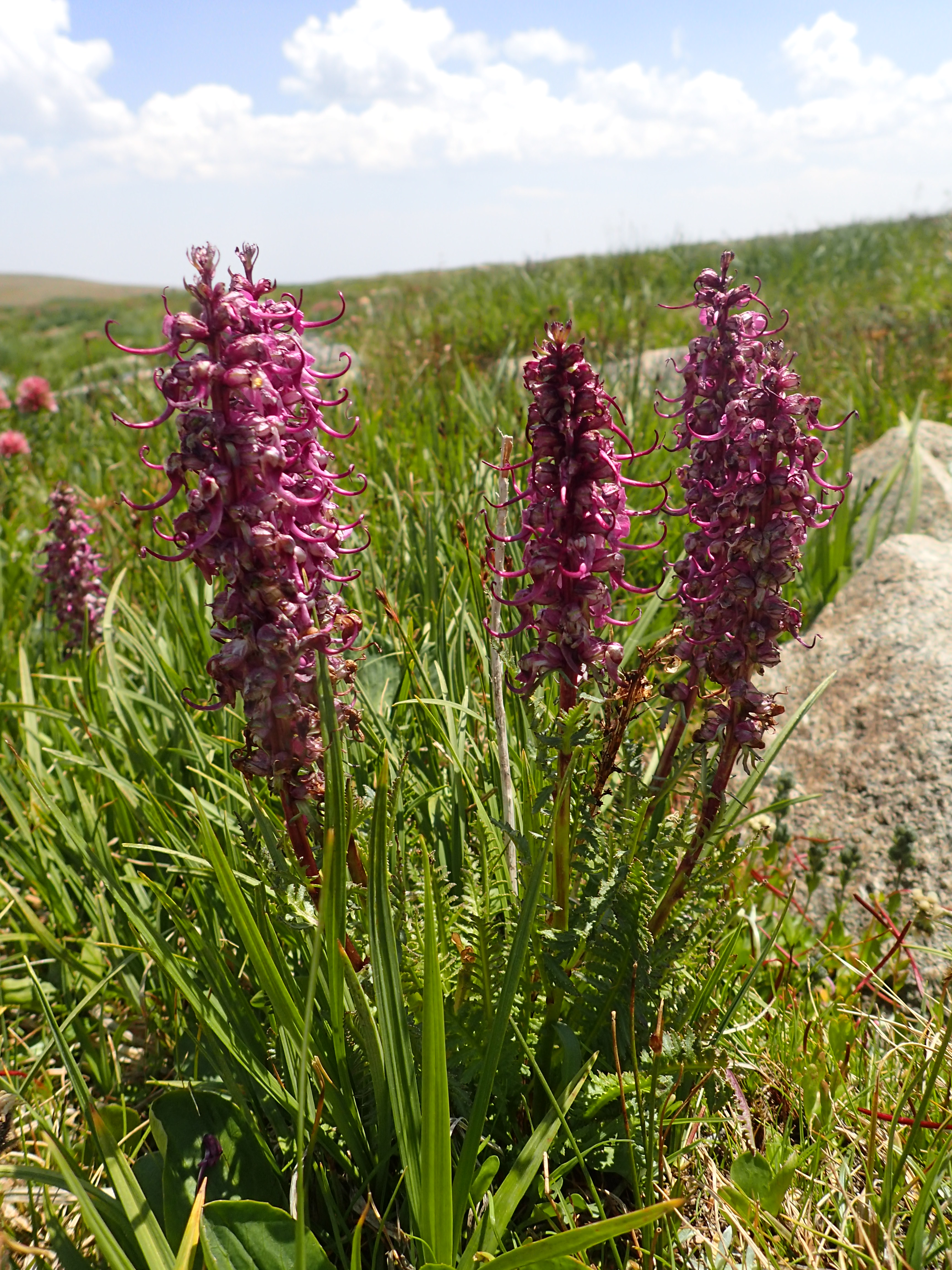
Pedicularis groenlandica, a common lousewort of the southern Rockies:
PAPAVERACEAE
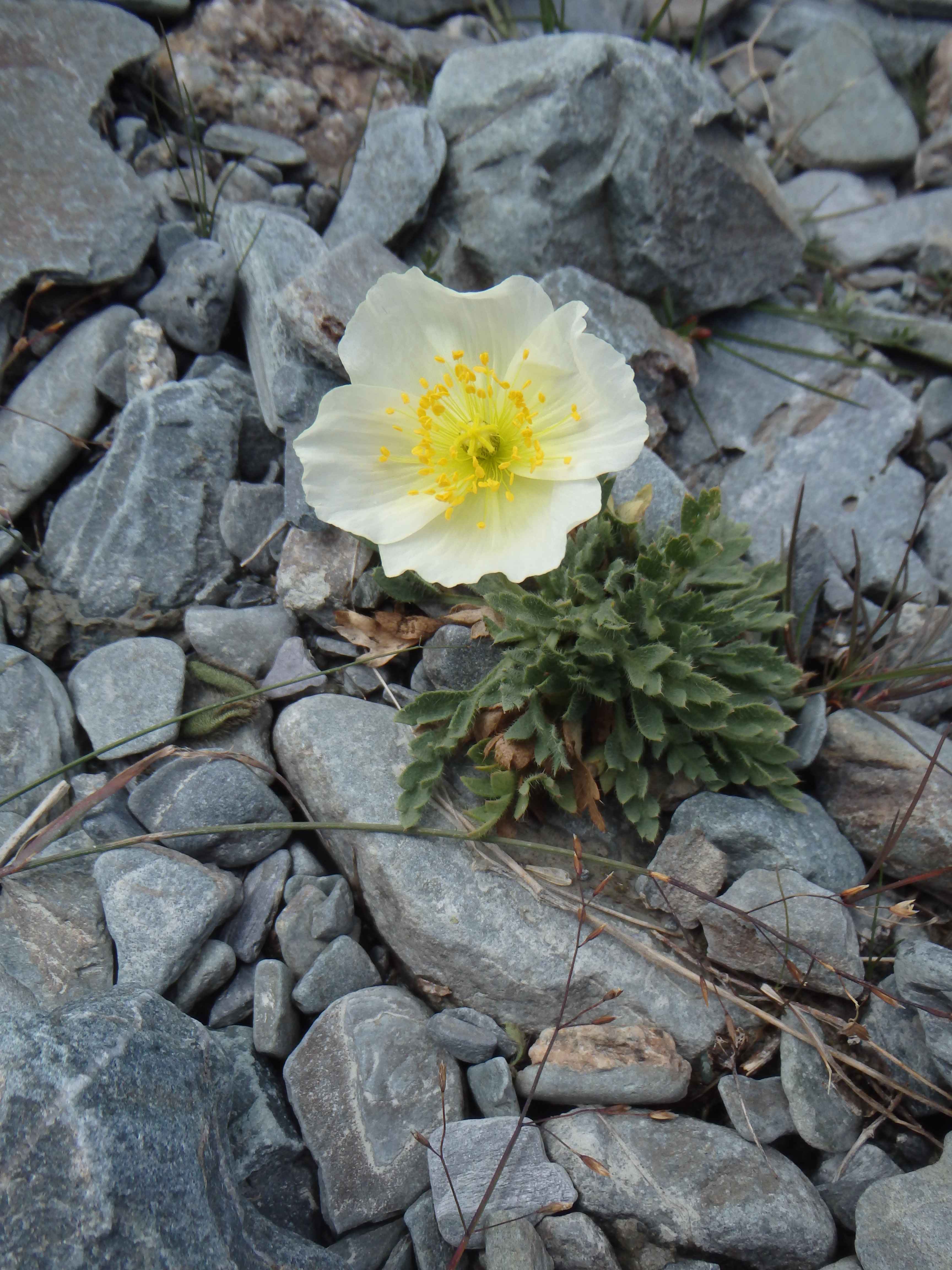
Papaver kluanense, an endearing alpine poppy of the Rocky Mountains:
PLANTAGINACEAE, the plaintain family.
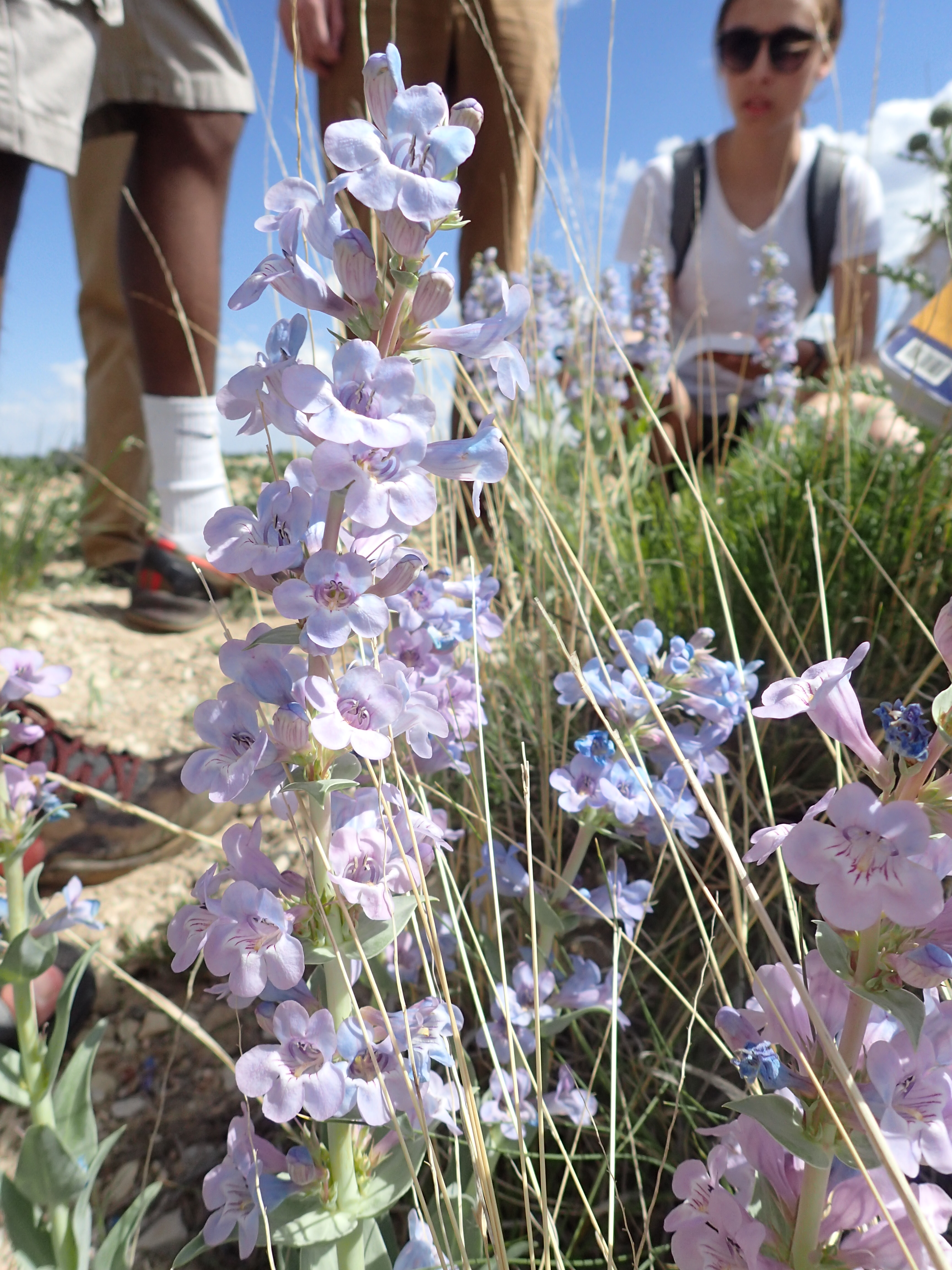
Penstemon buckleyi, endemic to the grasslands of south-central North America:
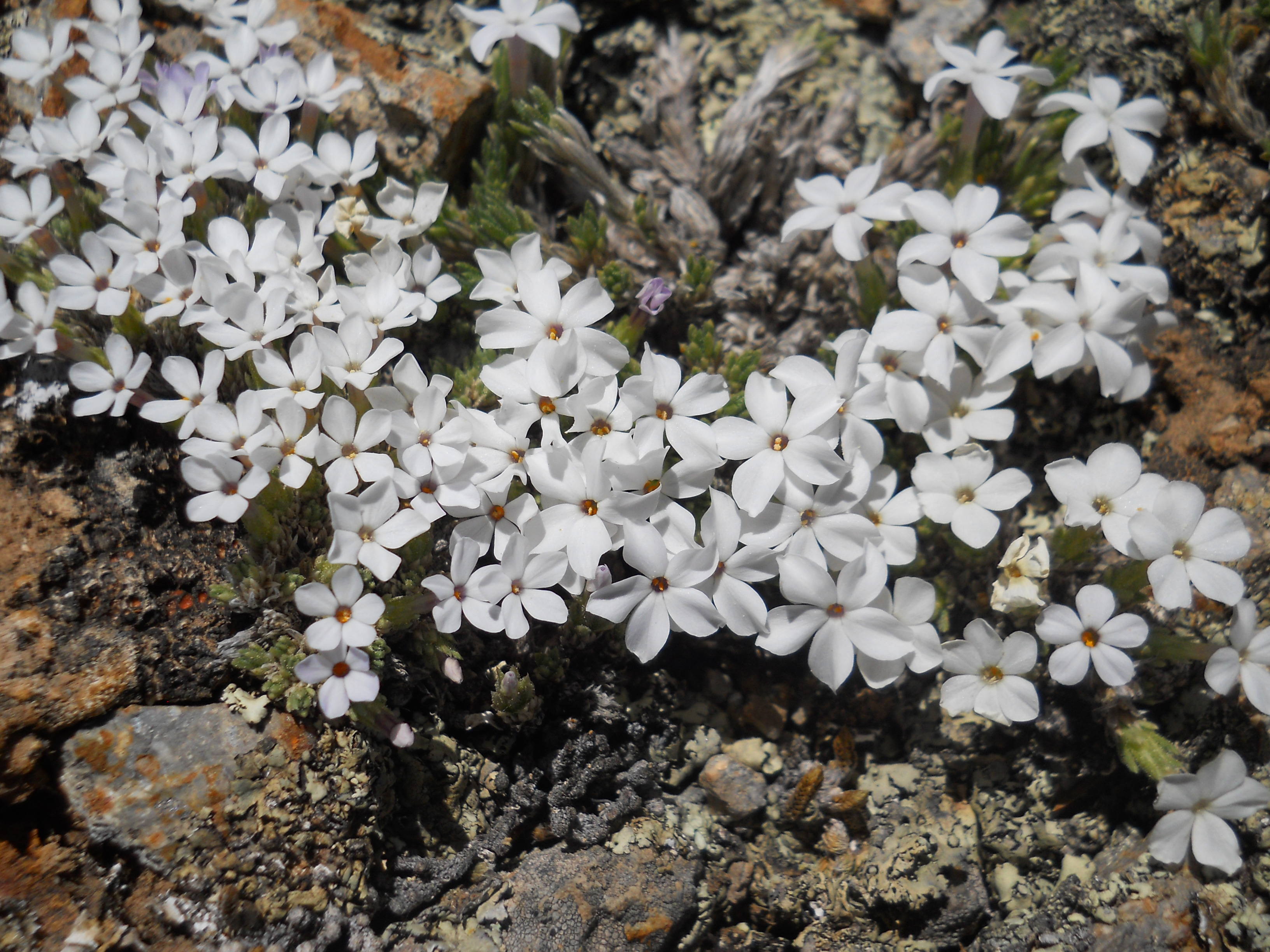
POLEMONIACEAE
Phlox condensata, of the broader southwest of North America.
PRIMULACEAE, the primrose family.
Primula parryi, presenting one of the showiest flowers for its altitude in the southern Rockies:

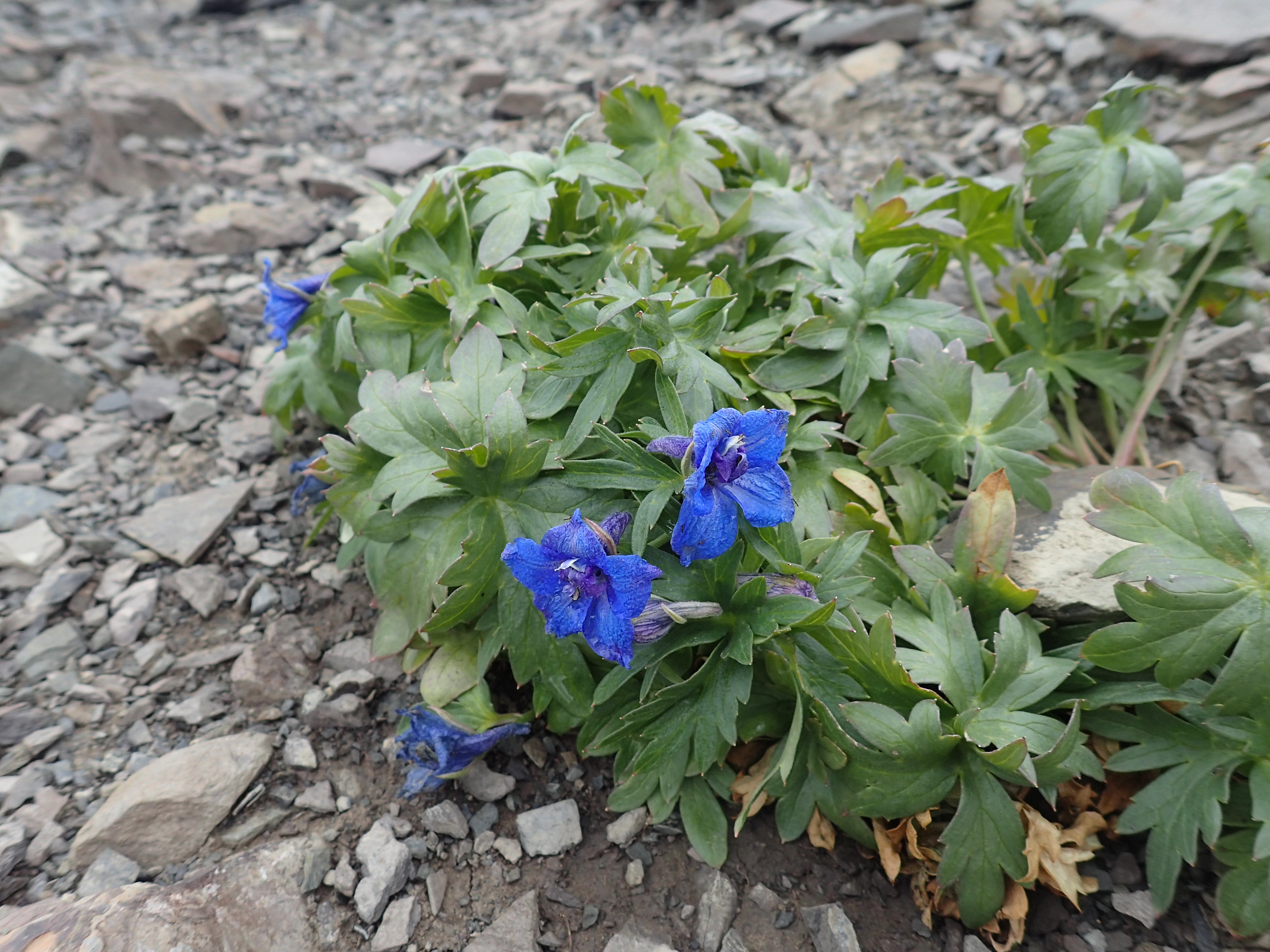
RANUNCULACEAE, the buttercup family.
Delphinium alpestre, an endemic alpine larkspur of the southern Rocky Mountains:
ROSACEAE, the rose family.
Dryas hookeriana, perhaps an alpine limestone lover:

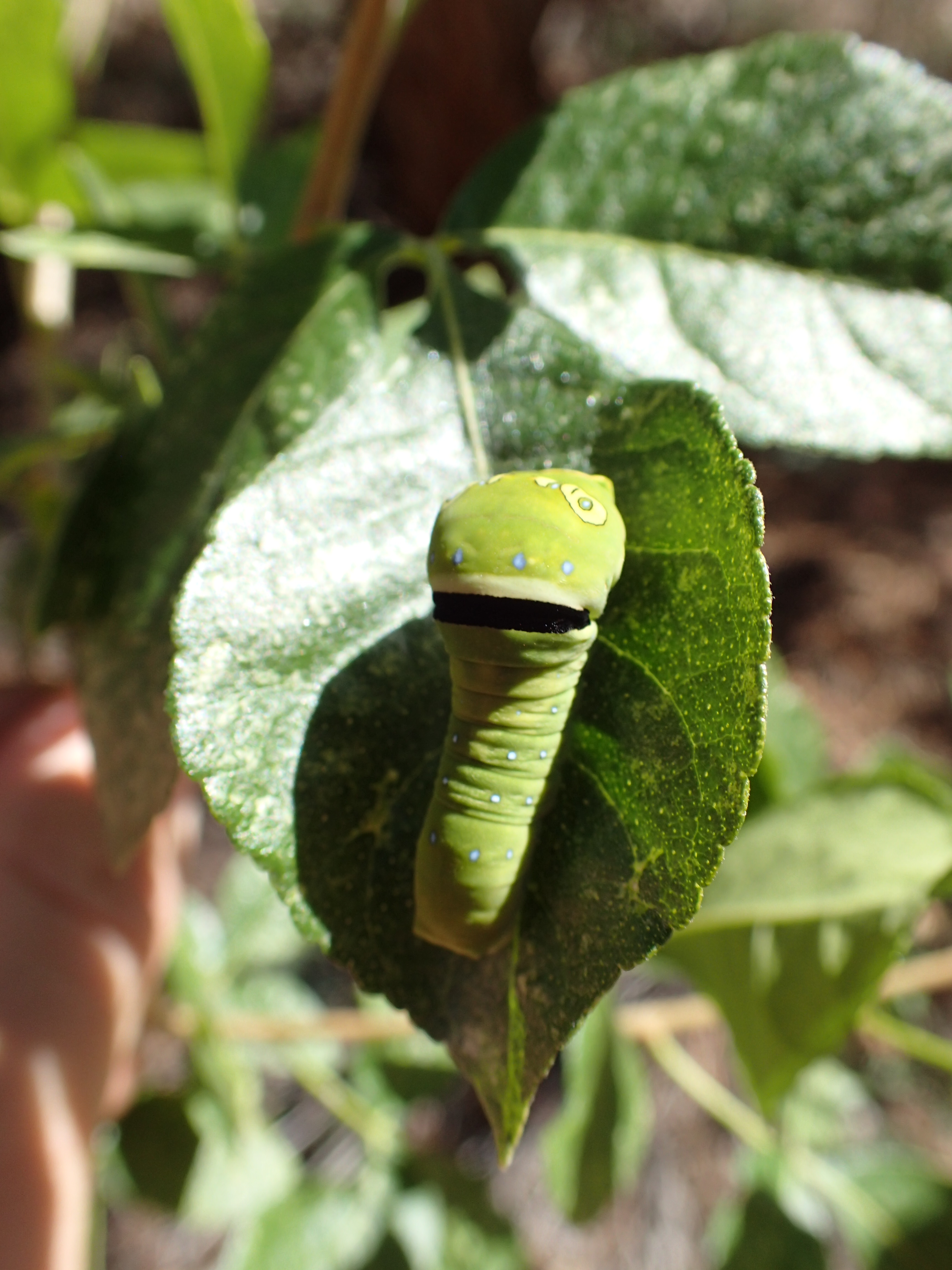
RUTACEAE, the citrus family.
Ptelea trifoliata, 1 of only 2 native citruses of cool and semiarid Colorado. Note the pellucid glands/punctations:
SOLANACEAE
Quincula lobata, a monotypic genus restricted to the high plains and deserts of southwestern North America:

 BOTANICAL & OTHER EXPLORATIONS