
APIACEAE, the umbellifer family.
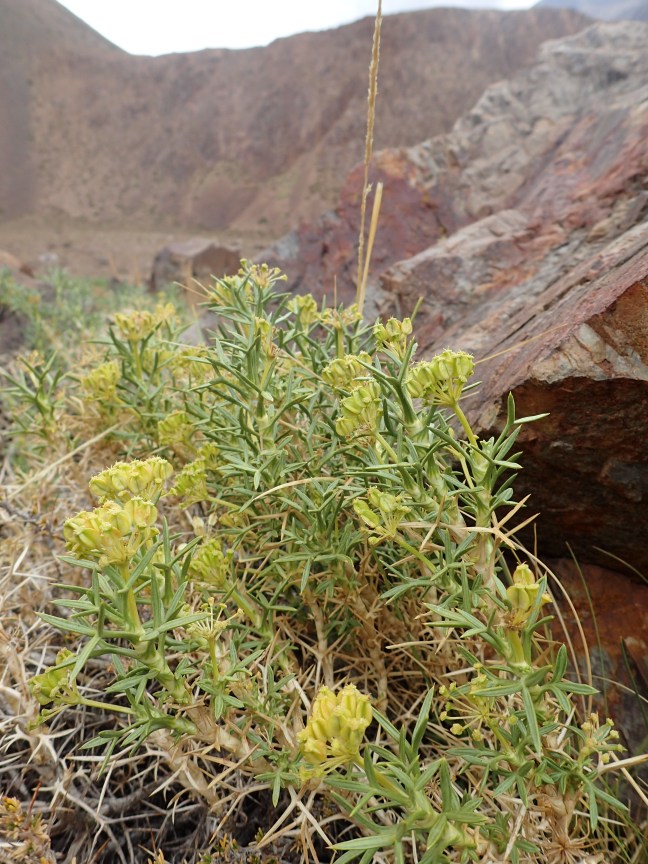
Azorella prolifera, a xerophytic carrot of the high and dry central Andes:
ASTERACEAE
Chaetanthera spathulifolia, of the high and dry central Andes:

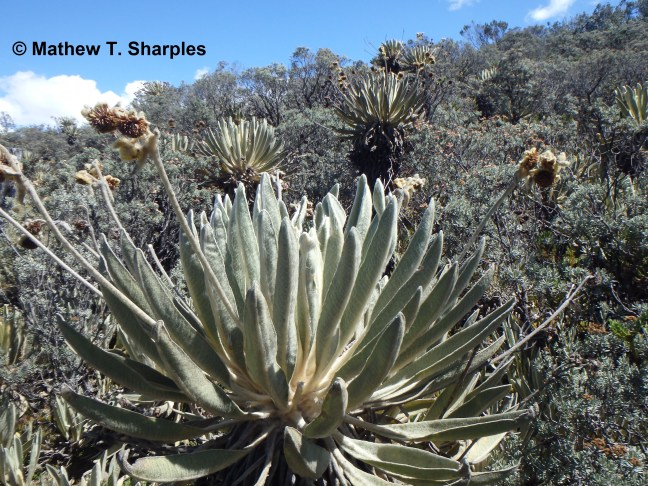
Espeletia sp. from the Colombian Andes:
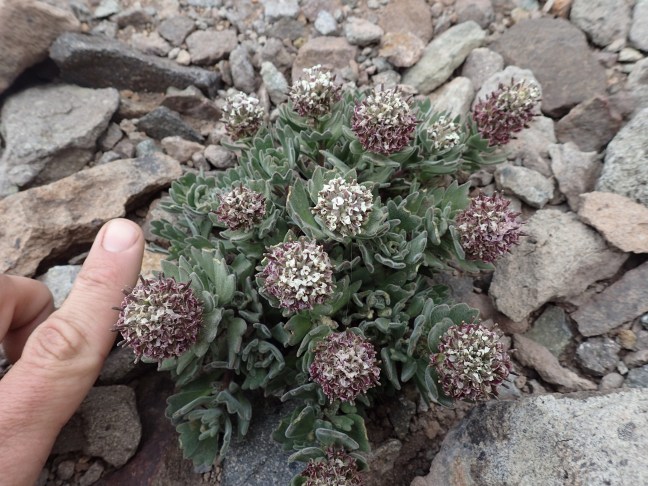
Nassauvia lagascae, an exceedingly strange composite found near the high camps of Cerro Aconcagua:

Senecio subdiscoideus, a rayless groundsel of the high and dry Central Andes:

BRASSICACEAE
Menonvillea cuneata, endemic to alpine rock slopes of the central Andes:
CALCEOLARIACEAE
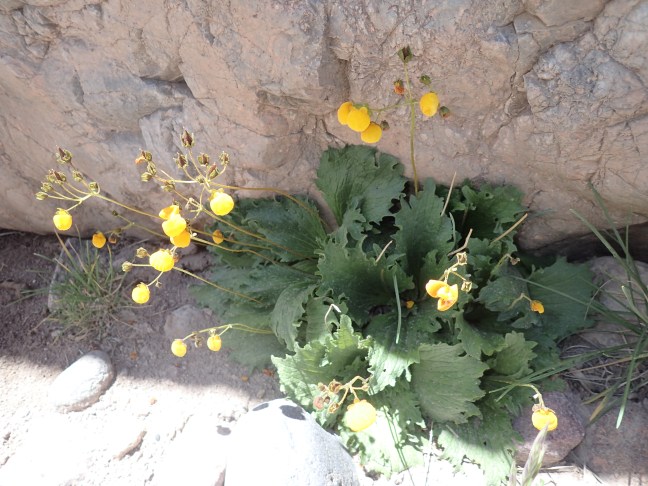
Calceolaria filicaulis, of the high and dry central Andes:
CALYCERACEAE
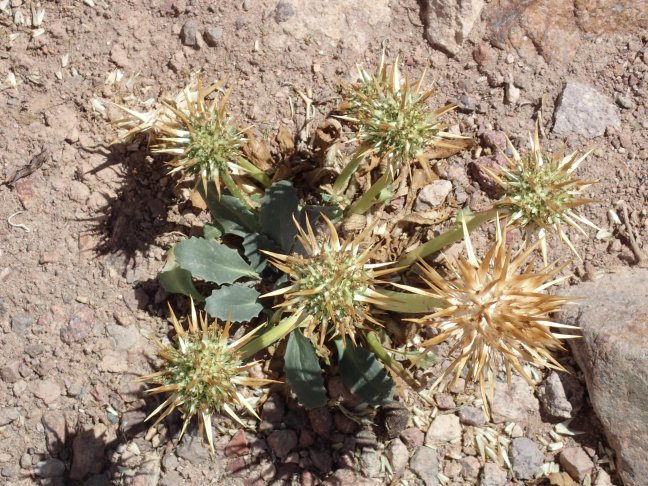
Calycera herbacea, a less approachable constituent of the high and dry central Andes:
FABACEAE, the legume family.
Astragalus arnottianus, an alpine vetch of the central Andes:

Lupinus sp., one of the giant lupines of the high Andes, this from Ecuador:

HYDROPHYLLACEAE
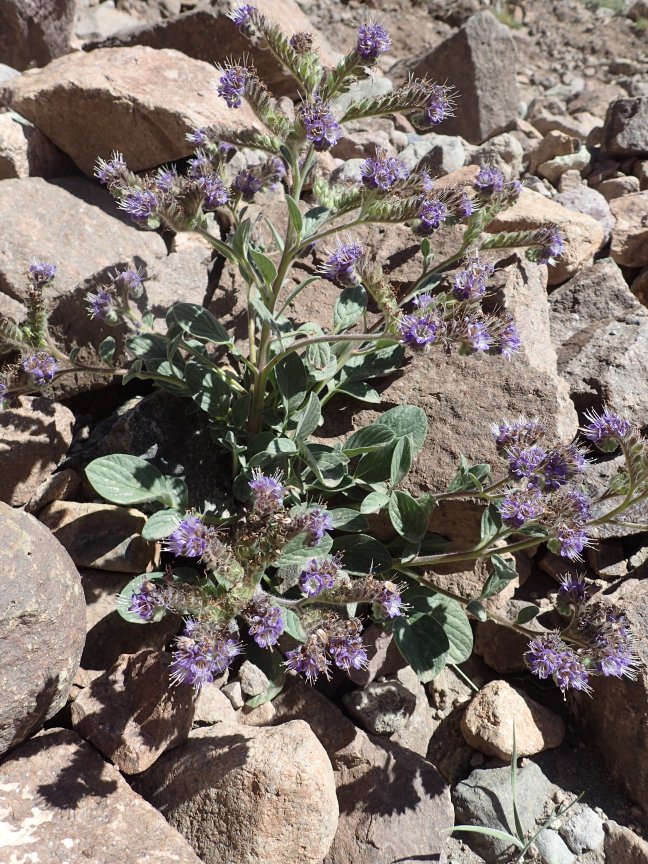
Phacelia brachyantha, inhabiting the high valleys near Cerro Aconcagua:
HYPERICACEAE
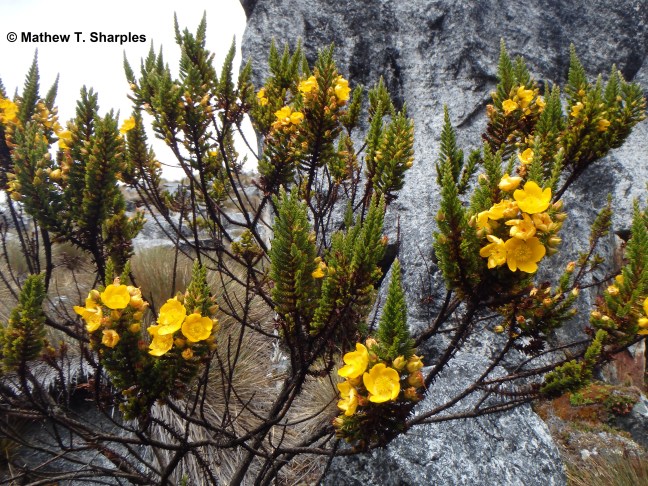
Hypericum laricifolium, from the Colombian Andes:
LOASACEAE
Caiophora coronata of the high central Andes:

MONTIACEAE
Cistanthe coronata, of lowlands of the Atacama desert:

OXALIDACEAE
Oxalis erythrorhiza, found in the high and dry central Andes:

PASSIFLORACEAE
Malesherbia multiflora, of the lowland Atacama desert:
PHRYMACEAE
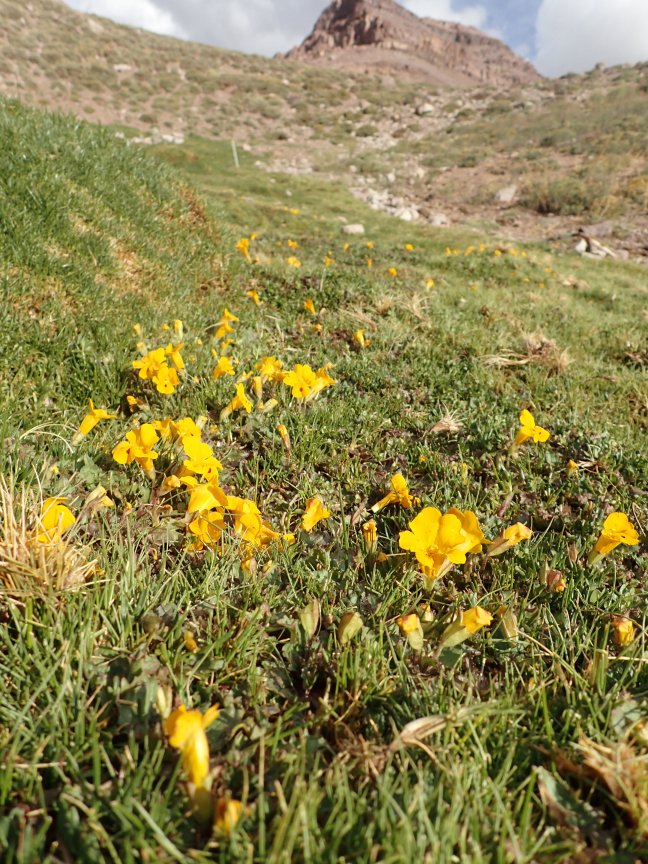
Erythranthe lutea, closely tied to water sources in the high and dry central Andes:
TROPAEOLACEAE
Tropaeolum polyphyllum of the high and dry central Andes:

VERBENACEAE, the verbena family.
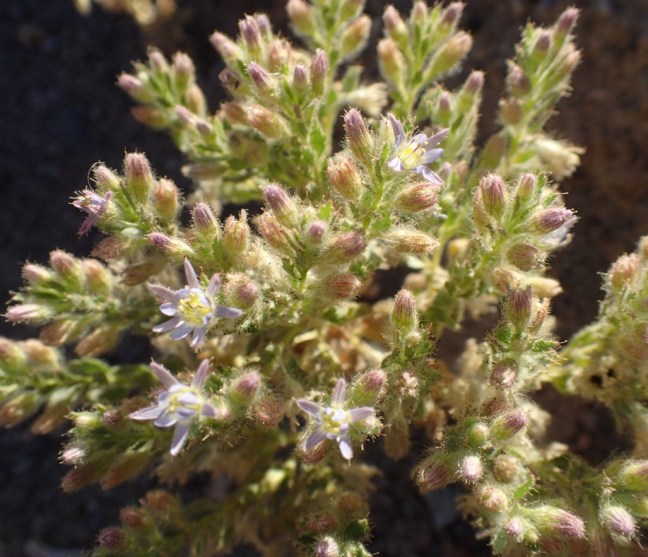
Junellia sp. of the high and dry central Andes:

 BOTANICAL & OTHER EXPLORATIONS